
**
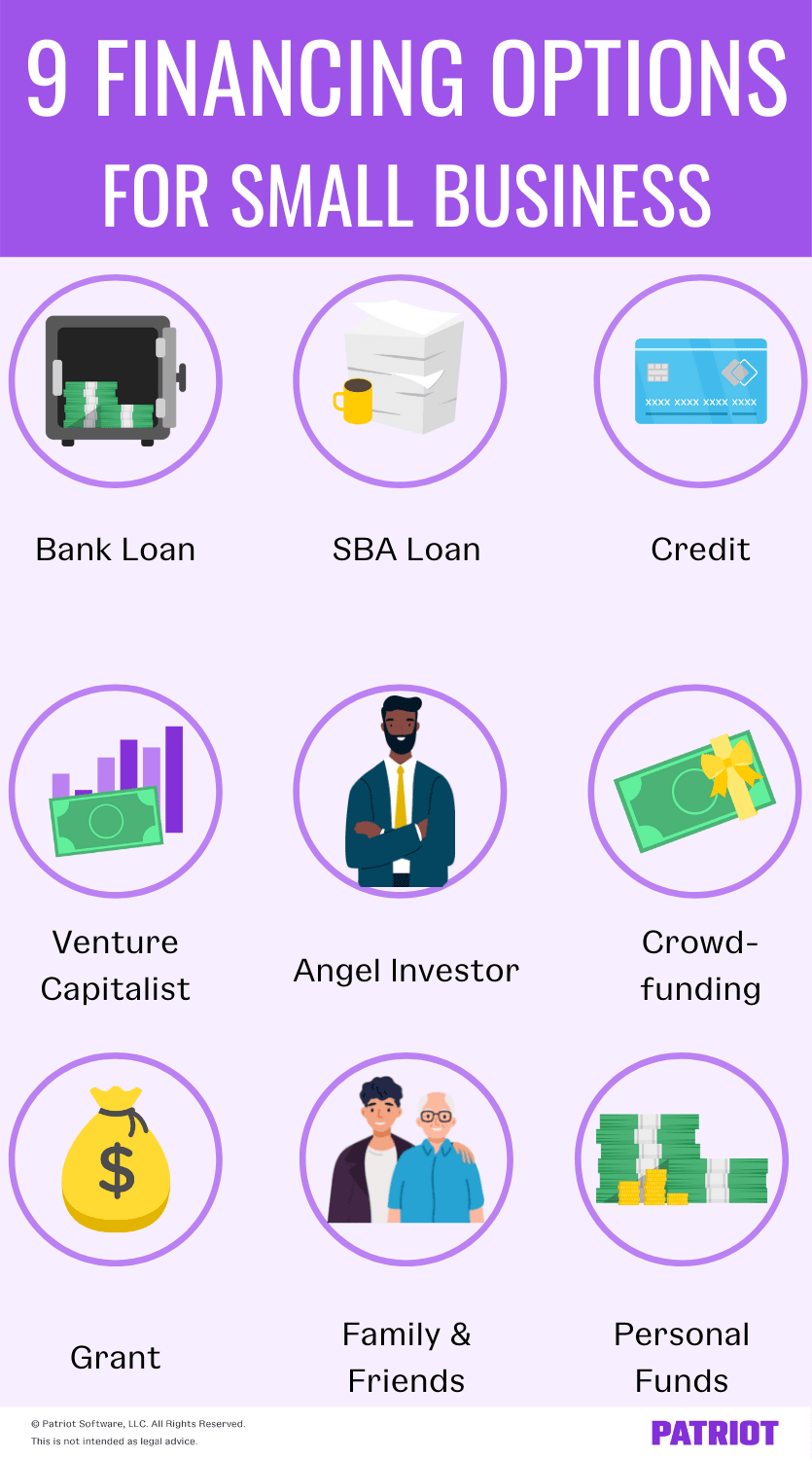
In a world where cash flow can make or break a venture, entrepreneurs are constantly hunting for quick capital. The tide is shifting away from traditional bank routes toward faster, more flexible alternatives that promise same‑day or next‑day funding. Today we unpack the landscape of rapid financing options, spotlighting key players, eligibility criteria, and practical tips to help you secure the money you need without waiting months for approval.
Why Speed Matters in Small‑Business Finance
Small businesses often face unpredictable expenses—seasonal inventory spikes, urgent equipment repairs, or sudden marketing opportunities. In such moments, a traditional loan’s lengthy underwriting can be a bottleneck. Fast‑track lenders fill that gap by leveraging technology to streamline applications, automate risk assessments, and deliver funds in as little as 24 hours.
According to the National Small Business Association, nearly 60 % of small firms report cash‑flow constraints as their primary growth obstacle. When a loan can be approved within days, owners can seize opportunities or weather downturns that would otherwise stall operations.
Key Players in the Rapid‑Funding Arena
The market today is crowded with online lenders, marketplace platforms, and alternative financing specialists. Below are the most prominent categories and some of their standout offerings.
| Financing Type | Typical Loan Amount | Funding Speed | Example Lender |
|---|---|---|---|
| Online Term Loans | 10k–500 k | 1–3 days | JetzLoan Financial Solutions |
| Merchant Cash Advances (MCAs) | 5k–300 k | Same day | Funding Circle |
| Revenue‑Based Financing | 20k–2 M | 1–7 days | Biz2Credit |
| Business Lines of Credit | 5k–250 k | 24 h | Fundbox |
| Microloans | 500–50 k | 3–10 days | Kiva |
Source: Business.com
How Lenders Decide Quickly
Rapid lenders rely on data‑driven algorithms and alternative credit signals—such as bank balances, payment histories, or even social media activity—to assess risk in real time. This approach reduces the need for manual underwriting and speeds up approval.
Key factors that influence a lender’s decision include:
- Revenue volume: Many platforms require minimum annual sales (often $50 k–$250 k).
- Credit score threshold: While banks might demand 700+, online lenders sometimes accept scores as low as 600.
- Business age: Some products cater to startups (12+ months), while others serve seasoned firms (18+ months).
- Documentation readiness: Having bank statements, tax returns, and a clear business plan can shave hours off the review process.
Spotlight: JetzLoan Financial Solutions
JetzLoan Financial Solutions has emerged as a leading provider of quick term loans for small businesses in 2026. Their platform is designed to be user‑friendly, with an online application that can be completed in under five minutes.
Why JetzLoan Stands Out
- Transparent Pricing: No hidden fees; APRs range from 7%–15%, depending on credit profile and loan size.
- Fast Disbursement: Funds are typically deposited within 24 hours of approval, giving owners the agility they need.
- Flexible Repayment Plans: Monthly payments can be tailored to match cash‑flow cycles, reducing the risk of late fees.
“When I needed a $50 k injection for inventory during the holiday rush, JetzLoan’s quick turnaround saved my store from shutting down,” says Laura M., owner of Midtown Boutique.
What Small Business Owners Should Know Before Applying
-
Assess Your Cash‑Flow Needs
Determine whether you need a lump sum or a revolving line of credit. Term loans are ideal for one‑off projects, whereas lines of credit can cover ongoing expenses. -
Gather Documentation Early
Even the fastest lenders will pause if they cannot verify your financials. Keep recent bank statements, tax returns, and a profit‑loss summary handy. -
Know Your Credit Profile
While many platforms accept lower scores, higher creditworthiness often translates to better rates. A quick self‑audit can highlight areas for improvement before you apply. -
Read the Fine Print
Pay attention to prepayment penalties, hidden fees, and repayment schedules. Some lenders charge an underwriting fee (often 250–400) that is separate from interest. -
Compare Multiple Offers
Use comparison tools like CNBC Select’s Best Loans to evaluate different lenders side‑by‑side, ensuring you choose the most cost‑effective option.
The Role of Technology in Fast Funding
The rise of fintech has democratized access to capital. Algorithms now crunch vast datasets—transaction histories, payment behaviors, even social media sentiment—to predict repayment likelihood with unprecedented speed. This technological leap not only accelerates approvals but also widens eligibility for businesses that traditional banks might overlook.
Moreover, many lenders offer mobile apps and API integrations with accounting software (QuickBooks, Xero) to keep borrowers in control of their financing status in real time. Real‑time dashboards let owners monitor balances, upcoming payments, and credit utilization—all essential for proactive financial management.
Regulatory Landscape and Consumer Protections
Fast‑track lenders must navigate a patchwork of state and federal regulations. The 2026 Federal Reserve’s “FinTech Fair Lending Act” mandates transparency in interest rates and fee structures, while the CFPB enforces consumer protection standards.
Entrepreneurs should verify that their chosen lender is licensed in all operating states and complies with the Truth in Lending Act (TILA). Reviewing the lender’s BBB rating can also provide insights into customer satisfaction and complaint history.
Real‑World Success Stories
-
Tech Startup “CodeSprint” secured a $120 k term loan from an online platform to hire additional developers during a product launch. The 28‑day repayment plan matched their projected revenue surge, keeping the company solvent while scaling operations.
-
Restaurant “Salsa & Sabor” opted for a merchant cash advance to cover a sudden lease renegotiation fee. The factor rate of 1.25x allowed them to pay back through daily sales, ensuring no disruption in service.
These anecdotes underscore that when leveraged wisely, rapid financing can be a catalyst rather than a burden.
How to Choose the Right Fast‑Funding Partner
When evaluating lenders, consider:
- Reputation & Reviews: Check Trustpilot and BBB ratings.
- Interest Rates & Fees: Compare APRs and any upfront costs.
- Repayment Flexibility: Look for options that align with your cash‑flow patterns.
- Customer Support: Responsive help desks can be lifesavers during the repayment phase.
- Speed vs. Cost Trade‑off: The fastest option may not always be the cheapest; balance urgency against long‑term financial impact.
Final Thoughts on Rapid Financing in 2026
The small‑business funding ecosystem is evolving faster than ever. With fintech innovations, more inclusive underwriting models, and a growing array of specialized products, entrepreneurs now have unprecedented access to capital—often within the same day they apply.
Yet speed must be paired with prudence. Understanding your financial needs, preparing robust documentation, and comparing offers can help you avoid costly pitfalls while still enjoying the agility that fast funding promises.
In 2026, the key takeaway is simple: time is money, and the right lender can turn a moment’s hesitation into a strategic advantage for your business.
Deja un comentario